
Repeat Orders for 4V Cordless Tools: After-Sales FAQ
For buyers reordering 4V Cordless Tool Kits, screwdriver sets, bits sets, staple guns and hex keys — where the second shipment has to behave exactly like the first.
A repeat order for 4V Cordless Tools rarely fails because the product cannot be made again. It fails because the second order confirms a model number, while the first order was actually defined by a model number, a specification line and a hand-tool pairing. This FAQ is built around that difference.
It is written for buyers who already purchase 4V Cordless Tool Kits, cordless screwdriver sets, bits sets, staple guns and hex keys, and who need shipments three, four and five to behave like shipment one. The questions below are the ones that surface after the first delivery rather than before it: how a product unit is matched across orders, how hand tools such as folding hex keys and T-handle wrenches are paired with a cordless set, and which communication path to use when something does not line up.
HOTAK PRO TOOLS is the tool brand discussed in this article. The products are manufactured by Ningbo (Yinzhou) Yongjia Electrical Tools Co., Ltd. (YONGJIA TOOLS), a hand tool manufacturer founded in 2000 in Ningbo, Zhejiang Province, China, operating a 45,000 m² production base with an annual output of 18,000,000 units and exports to more than 100 countries.
Problem Definition: Four Ways a Repeat Order Drifts
Most after-sales friction on repeat orders comes from one of four specification gaps. Each of them exists inside the current 4V range, and each is invisible on a purchase order that quotes a category name instead of a specification line.
1. Bundle count changes while the category name stays the same
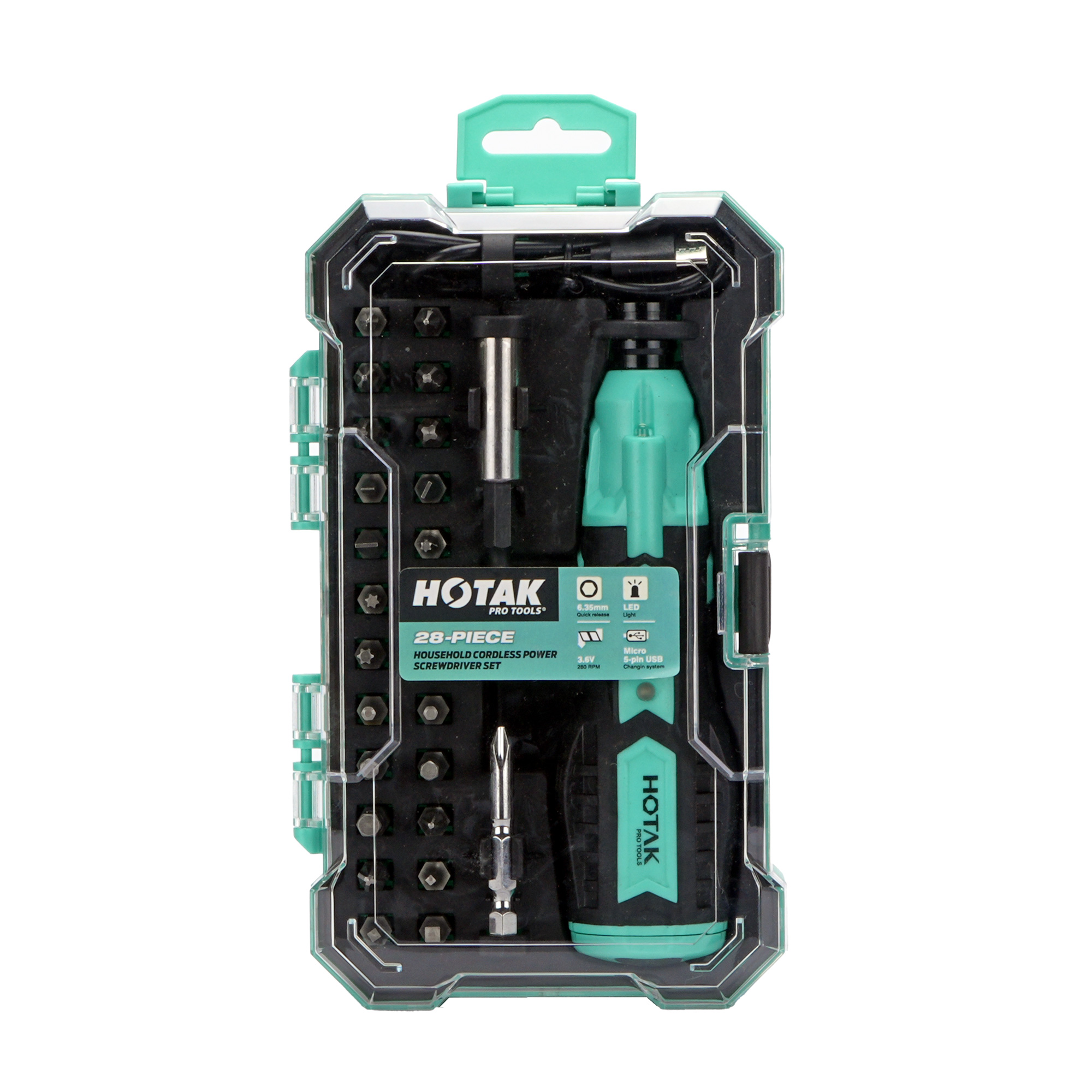
YJPS-907 is a 26-piece cordless precision power screwdriver set. YJTS-3526 is a 41-piece household electrical screwdriver tool set. Both run a 3.7 V lithium platform with a 320 mAh battery, a 0.15 N·m electric torque and a 3 N·m manual torque, and both would be called a 4V Cordless Screwdriver in ordinary conversation. They are not the same unit: bit count, case content and the shelf position a retailer can hold are different. A repeat order placed on the category name alone can therefore deliver a set that is technically correct and commercially wrong.
2. Arm length changes while the size range stays the same
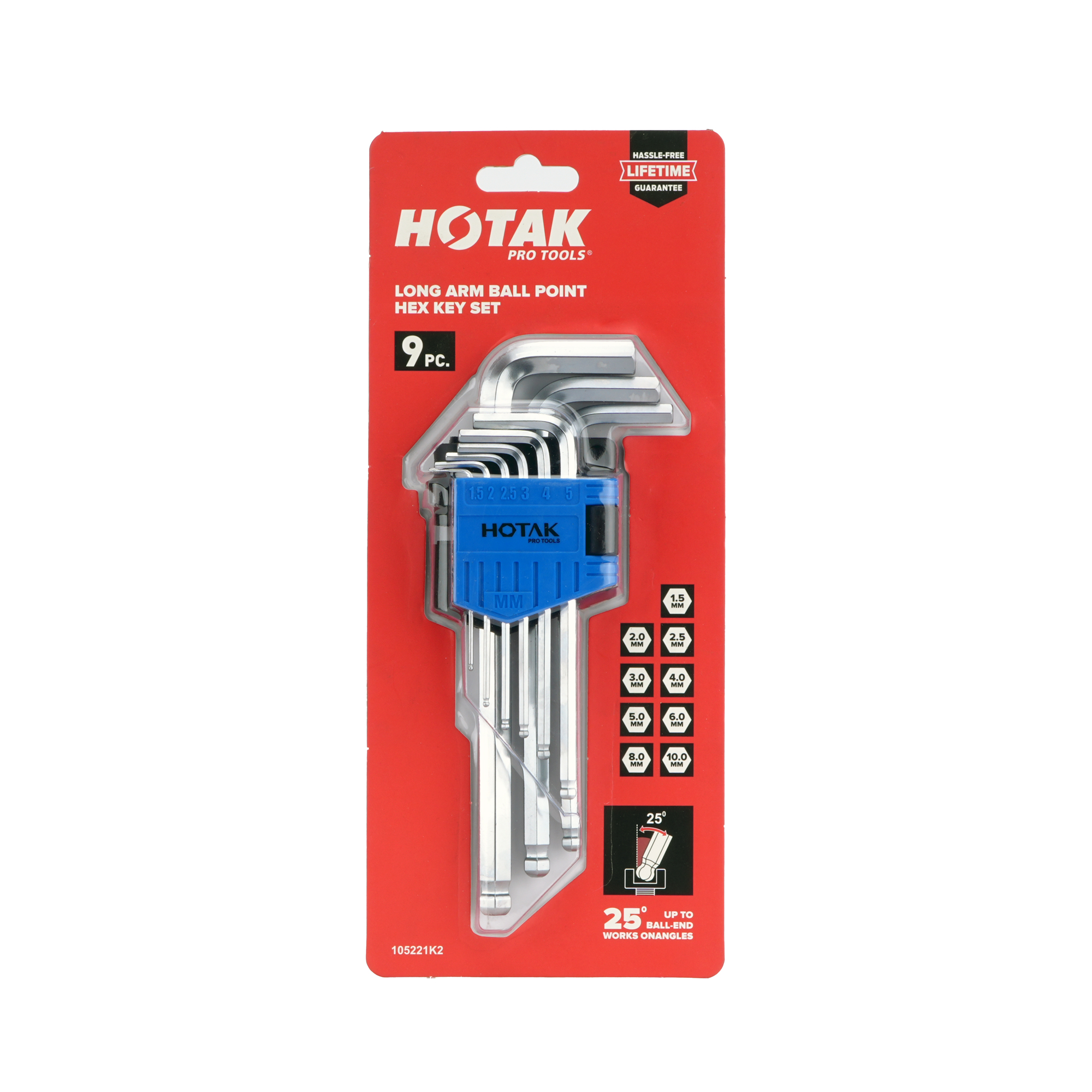
105221K1, 105221K2 and 105221K3 are all 9-piece ball point hex key sets in metric sizes, all in CR-V 6150, all heat-treated to HRC 52–55, and all rated across the same torque reference — 0.82 N·m at 1.5 mm through 220 N·m at 10 mm. The difference is arm length: short, long and extra long. In a workshop or an assembly cell, that difference decides whether the key reaches a recessed fastener. The color-coded versions 71821D1, 71821D2 and 71821D3 repeat the same pattern, so arm length has to be written into the order rather than remembered.
3. Consumable type changes while the tool looks identical
YJSG-196 is a 6-in-1 staple gun compatible with JT21, T50, T25, T20 and 18GA staples. YJSG-115 is a heavy-duty staple and nail gun compatible with Arrow T50 and 140 staples in 9/16 in, 1/2 in, 3/8 in, 5/16 in and 1/4 in lengths. YJSG-120 is a 4-in-1 model covering heavy duty staples 6–14 mm, light duty staples 6–10 mm, cable staples 10–14 mm and 18 ga brad nails at 15 mm. Three guns, three consumable lists. For an end user who has already stocked staples, a substitution between them is not a neutral change.
4. Battery capacity changes while the voltage stays the same
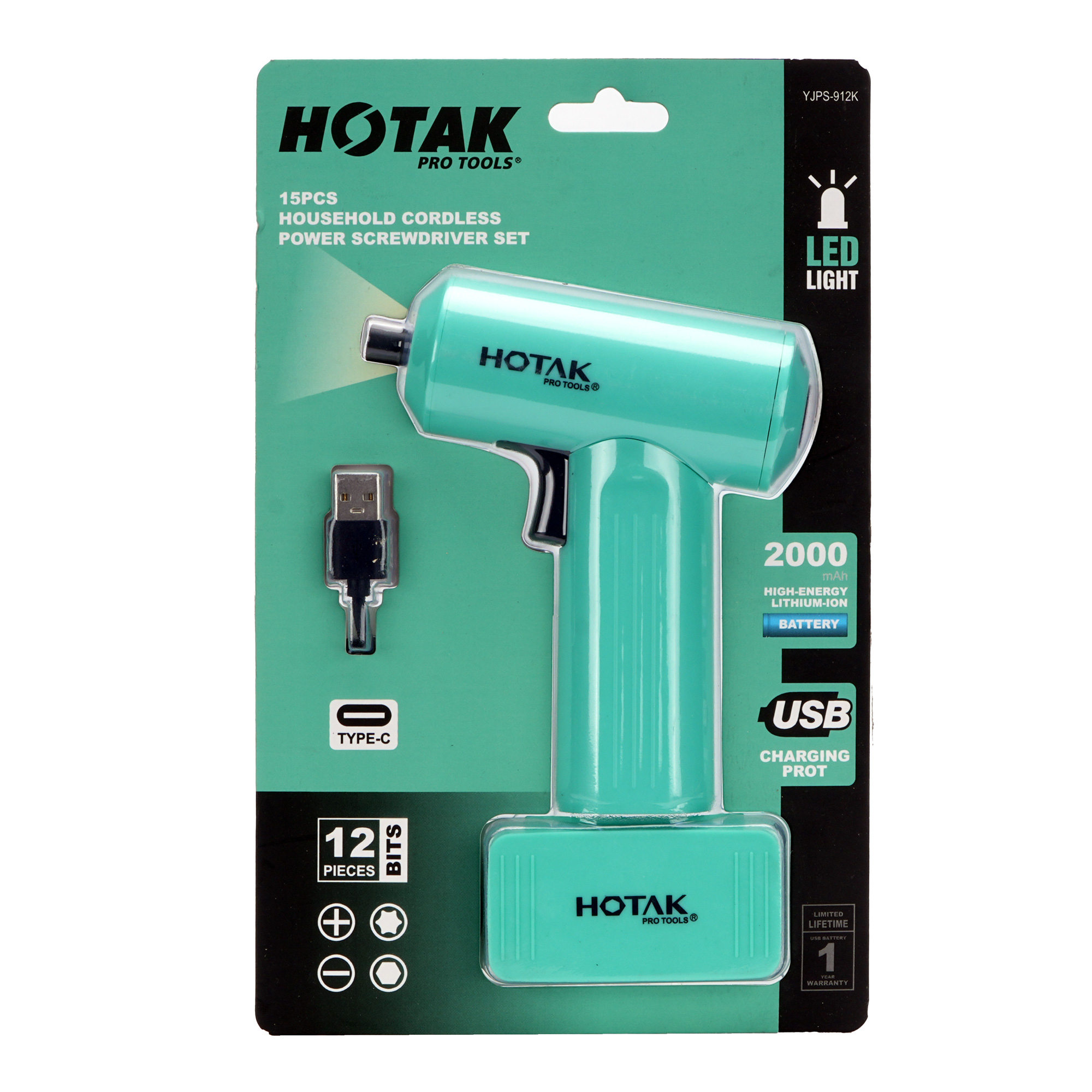
Inside the 4V class, the rated voltage reads 3.7 V across the range, but capacity does not. YJPS-906 and YJPS-907 use a 320 mAh battery with at least 30 minutes of no-load operating time; YJPS-912 uses 800 mAh with at least 50 minutes; YJPS-902 uses 2000 mAh with at least 60 minutes. YJSG-500 and YJSG-501, the two-use and five-use lithium electric nail guns, both carry 2000 mAh at 25 W. Runtime is part of the product, so capacity belongs in the specification line.
Industry Background: Why the 4V Class Is Unusually Sensitive to Consistency
The global cordless power tools market was estimated at USD 12.2 billion in 2024 (Global Market Insights). Within it, low-voltage tools below 12 V — the segment that includes 4V and 3.7 V platforms — are identified as primary segments for DIY and light-duty household tasks (Market.us). Adjacent categories follow the same pattern: the global staple gun market was valued at USD 1.54 billion in 2024 with a forecast CAGR of 3.13% through 2032 (Maximize Market Research), and the household electric screwdriver market was valued at approximately USD 1.8 billion in 2024, with North America holding a 35% share (DataHorizzon Research).
Market totals in this category should be read with care. Research houses define "electric screwdriver" differently: totals built on household and DIY retail scope and totals built on industrial precision assembly scope are not comparable, which is why published values for ostensibly the same product can differ substantially. The buyer-side consequence is simpler than the market debate. The 4V class is a high-frequency, low-ticket, repeat-purchase category, and repeat purchase is exactly where specification drift becomes expensive — a changed bit count is a small manufacturing decision and a large retail decision.
Public product information shows where buyer expectations are heading. Ryobi markets a 4V interchangeable USB battery system, and Dremel maintains a 4V home and lifestyle tool category aimed at modern DIY users. Both point to the same expectation: a 4V tool is bought as part of a platform, where batteries, accessories and consumables are assumed to remain available and compatible across purchases. A supplier that silently changes battery capacity, a bit count or a staple series breaks that assumption even when the tool itself is sound.
Customs handling adds a second consistency requirement. Cordless hand tools with self-contained electric motors are generally classified under HS code 846729, so the description on the commercial invoice should stay aligned with the model and specification actually shipped. Otherwise a routine repeat shipment can trigger a classification question that has nothing to do with product quality.
Detailed Solution: Three Records That Hold a Partnership Together
Long-term supply works when three records exist and are updated continuously, instead of being reconstructed from memory at each order. This is the practical definition of partnership used throughout this article: sustained support and issue resolution, not a single transaction.
Record 1 — the reference unit
One model, one specification line, one photograph of the shipping unit. For a 4V Cordless Screwdriver that means model (for example YJPS-912), rated voltage (3.7 V), battery capacity (800 mAh), torque (2.5 N electric, 10 N·m manual) and speed (0–250 rpm). For a cordless staple gun it means the model plus the consumable list. The record is what a repeat order is checked against — not the catalog page, which may have been re-laid out since the first order.
Record 2 — the hand-tool pairing
Many 4V Cordless Tool Kits ship with hand tools beside them. Folding Hex Keys (YJHK-3347, 8-piece metric; YJHK-3075, 8-piece locking metric), T-handle Wrenches (YJHK-3066, 7-piece metric; YJHK-3226, 14-piece metric and SAE) and hex key sets are the items most often swapped quietly, because the size range looks identical while arm length, handle type or metric/SAE coverage differs. The pairing belongs in the order: which hand tools, which models, how many per kit.
Record 3 — the change log and the escalation path
Any approved deviation — a new case color, a revised bit count, a different staple series — should be recorded with the date it takes effect and the order from which it applies. Without that log, a partner cannot tell whether a difference is a defect or a decision. When a shipment does not match, the escalation path should be the same channel used for the order, with model, specification line and order reference quoted together.
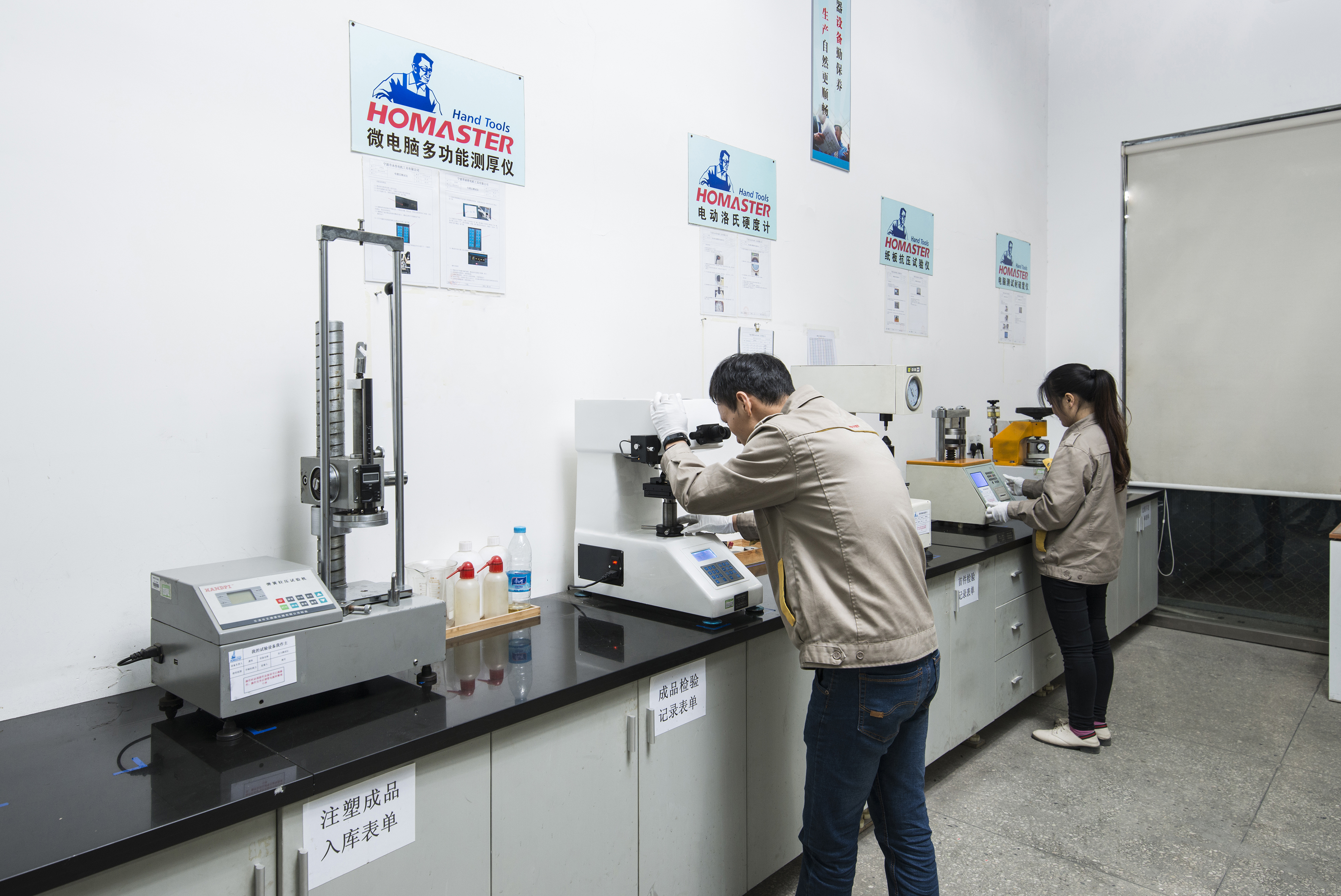
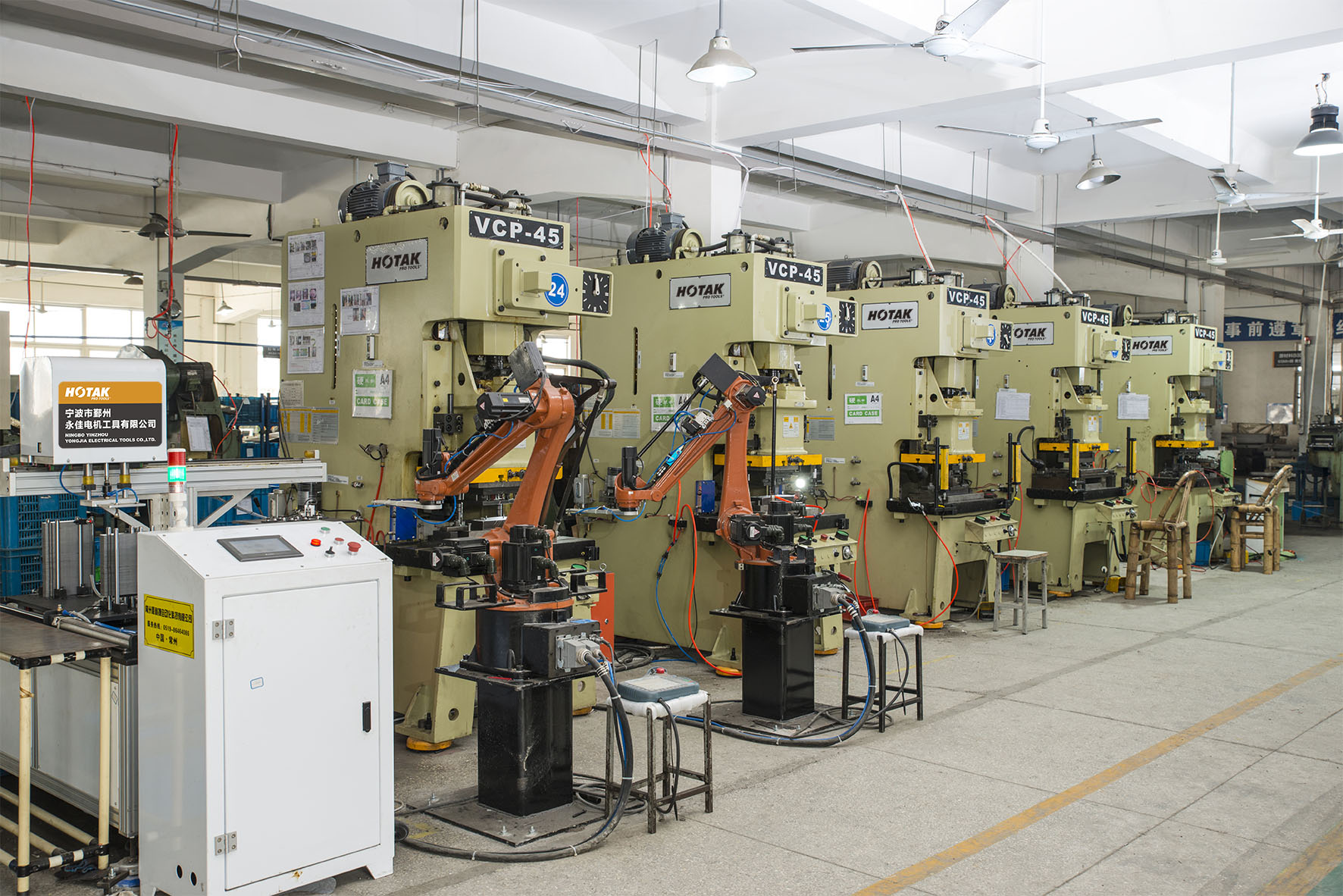
The manufacturing base behind these records is a single integrated chain. Mold development, forging and stamping, heat treatment, surface finishing, precision machining, assembly and packaging all sit inside a 45,000 m² facility, supported by a 25-engineer R&D team. Quality control runs as incoming inspection, in-process inspection and final inspection. The company holds ISO9001 certification, TÜV/GS certification, BSCI certification and VPA approval, and has passed factory audits for Walmart (USA) and Kingfisher (UK). After-sales support for repeat partners is handled remotely, which makes the accuracy of the three records the difference between a one-message resolution and a long exchange.
Step-by-Step: Confirming a Repeat Order
Step 1 — Restate the reference unit before quoting
Send back the model number plus the specification line from the last accepted order, including rated voltage, battery capacity, torque, speed and bundle count. If the previous order was placed on a category name, rebuild the specification line from the delivered unit first; it is cheaper to spend an extra day here than to rework a shipment.
Step 2 — Re-confirm the hand-tool pairing
List the hand tools that ship with or beside the cordless set: hex key sets by arm length, folding hex keys, T-handle wrenches, bits sets and screwdriver sets. Arm length, locking or non-locking handles, and metric versus SAE coverage are the four attributes that change most often without changing the item name.
Step 3 — Re-check model-level compliance documents
Confirm the certificate that names the exact model and destination market, rather than relying on a company-level certificate pack. Requirements differ by market across mechanical safety, electrical safety and restricted substances, so the document set should be matched to where the shipment is going.
Step 4 — Lock customization and packaging
OEM and ODM production supports color and logo customization. Any change to case color, logo placement, label text or packaging configuration should be dated and attached to the order it starts from, so that the next order can be traced to the correct version.
Step 5 — Match quantity to capacity and lead time
The minimum order quantity for OEM/ODM production is 600 units. Monthly capacity is 1,500,000 units and lead time is stated as 30–45 days. Planning against the stated lead time rather than the fastest shipment previously received avoids most schedule surprises on repeat business.
Step 6 — Confirm the after-sales path in writing
Agree in advance who receives an issue report, which reference fields it must contain, and what counts as a specification change rather than a defect. Remote support resolves faster when the first message already carries the model, specification line and order reference.
Use Cases: Where Repeat-Order Consistency Matters
Long-running retail and wholesale programmes
Existing programmes run between 5,000 and 50,000 units per order with relationships lasting 3–5 years, supplying brand owners, hardware wholesalers and retail chains across Germany, France, the United States, Canada, Mexico, Brazil, Argentina and Malaysia. Over that horizon, a silent change in bit count or battery capacity shows up as a return-rate problem rather than a manufacturing problem.
Private label and OEM programmes
Private Label 4V Cordless Tools and Custom 4V Cordless Tools projects depend on the approved sample staying the reference. When a brand owner reorders a cordless screwdriver set or a compact cordless tool kit under their own label, the label is only one variable — the unit beneath it must remain the one that was approved.
Furniture assembly and light repair
Cordless Tools for Furniture Assembly involve repeated, low-torque fastening where a manual torque of 10 N·m on models such as YJPS-912 and YJPS-902 is used to finish a joint after the electric torque has driven the fastener. Consistency here is felt by the end user as a tool that behaves the same way on every kit.
Workshop maintenance and auto repair
The application data behind this range describes repair and fastening work in household indoor environments and open-air construction site environments, in the hand tools industry, with screws, nuts and nails as supporting equipment and impact resistance as a stated requirement. The same records apply to auto repair, household fastening and workshop maintenance, which is where hex keys and T-handle wrenches are consumed alongside the cordless tool.
Craft and hobby work
Cordless Tools for Craft Projects draw on the same 4V platform, including the YJGG-001 cordless hot-glue pen with a 3.7 V, 320 mAh battery, 4.2 W rating, 150 °C operating temperature and at least 120 minutes of operating time. Accessory and consumable continuity matters more than tool continuity in this segment, because the buyer restocks glue, bits and staples far more often than tools.
Comparison Table: 4V Platform Reference for Repeat Orders
Use this table to check that the specification line on a repeat order still describes the unit that was approved. Every value below is taken from the current model specification.
| Model | Product type | Rated voltage | Battery | Key specification |
|---|---|---|---|---|
| YJPS-906 | Electric precision repair tools set | 3.7 V | 320 mAh | 0.15 N·m electric / 3 N·m manual torque; 0–220 rpm; ≥30 min no-load operating time |
| YJPS-907 | 26 pcs cordless precision power screwdriver set | 3.7 V | 320 mAh | 0.15 N·m electric / 3 N·m manual torque; 220 rpm; 1 hour charging time |
| YJPS-912 | Power screwdriver set | 3.7 V | 800 mAh | 2.5 N electric / 10 N·m manual torque; 0–250 rpm; ≥50 min no-load operating time |
| YJPS-902 | Power screwdriver | 3.7 V | 2000 mAh | 2 / 3.5 / 5 N electric torque; 10 N·m manual; 0–280 rpm; ≥60 min no-load operating time |
| YJTS-3526 | 41 pcs household electrical screwdriver tool set | 3.7 V | 320 mAh | 0.15 N·m electric / 3 N·m manual torque; 220 rpm |
| YJSG-500 | Two-use lithium electric nail gun | 3.7 V | 2000 mAh | 25 W |
| YJSG-501 | Five-use lithium electric nail gun | 3.7 V | 2000 mAh | 25 W |
| YJGG-001 | Cordless hot-glue pen | 3.7 V | 320 mAh | 4.2 W; 150 °C operating temperature; ≥120 min operating time; 60 s glue flow |
Comparison Table: Hand-Tool Pairing Reference
The hand tools below are the ones most often paired with 4V Cordless Tool Kits. Arm length and coverage matter as much as size range when a repeat order is confirmed.
| Item family | Models | Format | Material / hardness |
|---|---|---|---|
| Ball point hex key set, metric | 105221K1 / 105221K2 / 105221K3 | 9 pcs; short, long and extra long arm | CR-V 6150; HRC 52–55 |
| Ball point color hex key set, metric | 71821D1 / 71821D2 / 71821D3 | 9 pcs; short and long arm versions | CR-V 6150; HRC 52–55 |
| Folding hex key set | YJHK-3347 / YJHK-3075 | 8 pcs; folding and locking formats | CR-V 6150; HRC 52–55 |
| T-handle wrench set | YJHK-3066 | 7 pcs; metric | CR-V 6150; HRC 52–55 |
| T-handle hex key set | YJHK-3226 | 14 pcs; metric and SAE | CR-V 6150; HRC 52–55 |
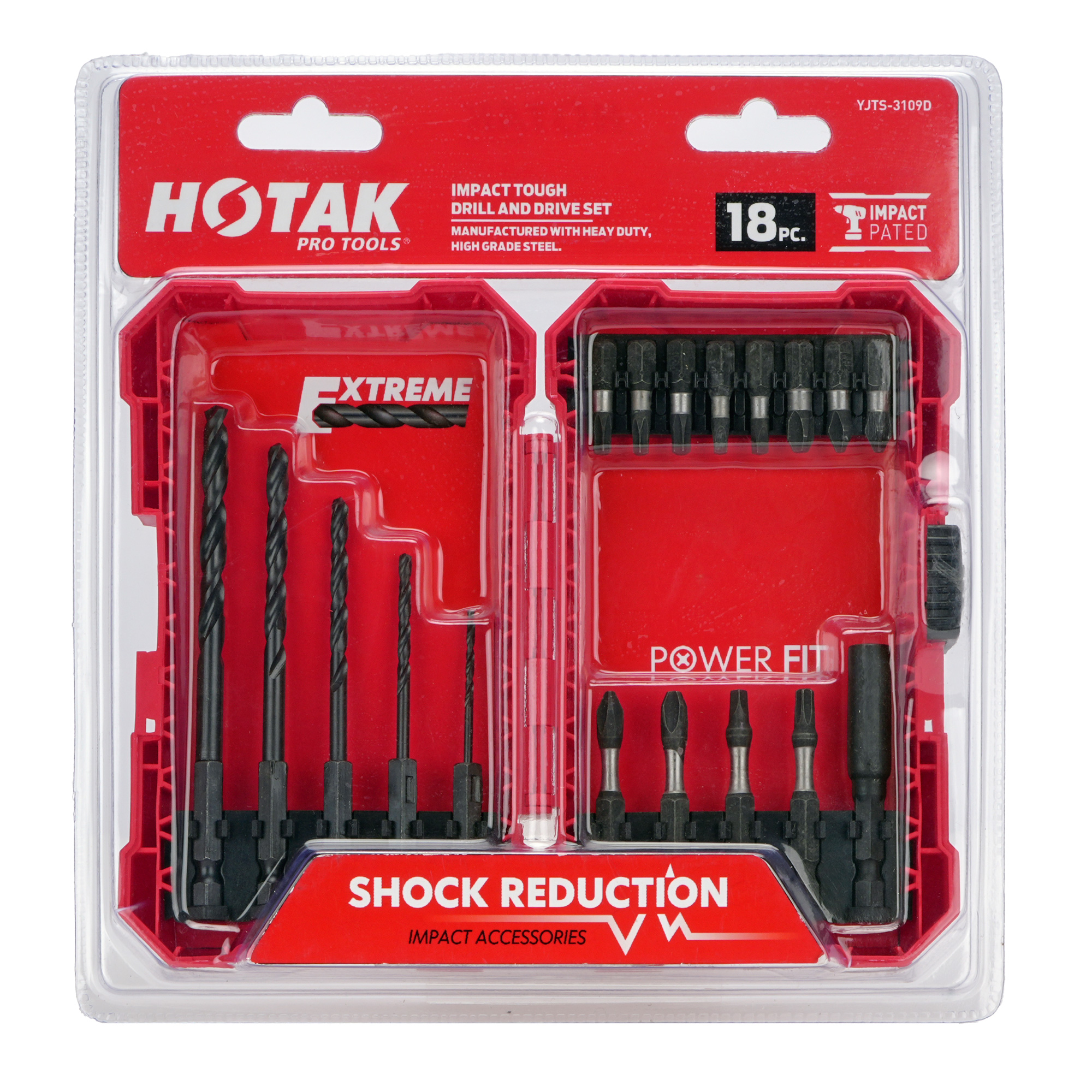
| Impact drill and drive set | YJTS-3109 | 18 pcs; 1 in and 2 in bits plus drills | S2 bits, black phosphate; PP case |
| Extension screwdriver set | YJPS-6851 | 25 pcs; extension handle, bits and sockets | Metal |
| Header set kit | YJTS-3545 | 32 pcs; quick-release extension and 30 bits | Metal |
FAQ: After-Sales Questions From Repeat Buyers
1. Which certification and inspection documents should a repeat buyer re-check?
Re-check at model level, not only at company level. For each repeat order, request the certificate that names the exact model and the destination market, then cross-check the model number against the standard numbers printed on the certificate. The manufacturer holds ISO9001 quality management certification, TÜV/GS certification, BSCI certification and VPA approval, and has passed factory audits for Walmart (USA) and Kingfisher (UK), while production quality control covers incoming inspection, in-process inspection and final inspection. Because markets differ on mechanical safety, electrical safety and restricted substances, the document set should be matched to where the shipment is going rather than assumed to carry over from another region.
2. How do we make sure the next order matches the previous unit exactly?
Quote the model number and the specification line together. The model fixes the family; the specification line fixes the parts that vary — battery capacity, torque, speed, bundle count and consumable type. In this range, YJPS-906 and YJPS-907 both use a 320 mAh battery with at least 30 minutes of no-load operating time, while YJPS-912 uses 800 mAh and YJPS-902 uses 2000 mAh, so the three are not interchangeable on runtime even though all are 3.7 V rated. The same logic applies to staple guns, where the model determines whether the tool takes JT21, T50, T25, T20 and 18GA staples or Arrow T50 and 140 staples.
3. Is there a minimum order quantity for repeat orders, and what changes the quotation?
The minimum order quantity for OEM/ODM production is 600 units, with a stated lead time of 30–45 days and a monthly capacity of 1,500,000 units. Any change to bundle count, battery capacity, color or logo customization, or packaging changes what is being quoted, so it should be raised as a new specification rather than treated as a price update on the existing one. Repeat buyers get the cleanest result when such changes are dated and logged, so a later order can be traced back to the version it follows.
4. Can we validate a unit before committing to a repeat production run?
Yes — validate against the reference unit rather than against a catalog image. Ask for the unit that corresponds to the model and specification line you intend to reorder, then check the attributes that change silently: battery capacity, bundle count, arm length on hex keys, and the consumable list on staple guns. A sample check is most useful when it repeats the same measurements every time, because the value comes from comparison rather than from the sample itself. Sample requests can be raised through the contact details at the end of this article.
5. What lead time should repeat buyers plan for, and how are issues resolved?
Production lead time is stated as 30–45 days, and repeat buyers should plan around that window rather than around the fastest shipment previously received. After-sales support is handled remotely, so the first message should carry the model, the specification line, the order reference and a description of the difference; that is usually enough to separate a specification change from a defect. If a matching unit or a full specification list is needed quickly, the catalog and contact channels below are the fastest route to a confirmed answer.
Conclusion: Partnership Is the Second Order
A 4V tool is a small purchase; the relationship around it is not. What separates a long-term partner from a one-off buyer is not the first shipment, which is usually checked carefully by both sides, but the second and third — where a model number has to carry the memory of a specification line, a hand-tool pairing and an approved deviation. Buyers who keep the three records described above, and suppliers who can answer against them, spend their time on assortment and sell-through instead of on rework.
The practical takeaway is short. Confirm the reference unit down to battery capacity and bundle count. Confirm the hand tools by model and arm length. Confirm compliance at model level for the destination market. Then confirm quantity against the 600-unit minimum, the 30–45 day lead time and the 1,500,000-unit monthly capacity. Everything else in a repeat order follows from those four confirmations.
Next Step: Sample, Specification or Catalog
If you are planning a repeat order for 4V Cordless Tools, start from the reference unit: model, specification line and hand-tool pairing. Send those three items and we will confirm the corresponding unit, the current lead time and the documents required for your market.
Have Questions or Need More Details?
Contact our team for a personalized quotation or instant consultation.
Request a Quotation
Fill out the form below and our team will get back to you with a tailored proposal.
WhatsApp Direct Chat
Prefer to chat in real-time? Message us on WhatsApp for instant assistance & quick answers.
- Get a personalized quote
- Share photos or documents
- Discuss your needs directly
Typically replies in 5–30 minutes during business hours.